Introduction
I first learned C++ at university – Qt framework, signal-slot mechanisms, classic algorithms, some UI and networking. Then I spent over 10 years with C# and a few years with Go. When I took another look at C++ about a year ago, I was surprised: modern C++ was nothing like what I learned back then.
C++11, C++14, C++17, C++20 – the language had evolved dramatically. Smart pointers, lambdas, ranges, concepts, coroutines – it felt like a different language. That’s what made it intriguing enough to dive back in.
After preparing my Modern C++ presentation, people keep asking: “What books helped you understand modern C++?” These three books bridged the gap between old C++ and modern C++, while also helping me think differently after years of managed languages.
Let me share what worked for me.
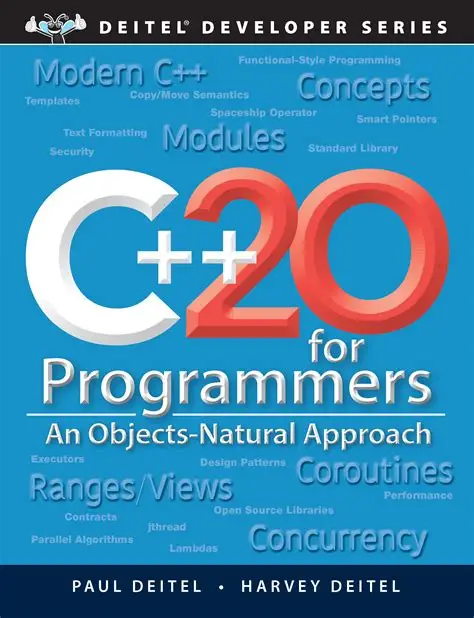
1. C++20 for Programmers
by Paul Deitel and Harvey Deitel
Why I Love It
This is my go-to language reference. When I need to understand how a specific C++20 feature works or want to refresh my knowledge of the syntax, this is where I turn.
The Deitels have a unique talent for breaking down complex language features into digestible, practical examples. With over 200 code examples, the book covers everything from the basics to the “big four” features of C++20: ranges, concepts, modules, and coroutines.
What Makes It Special
- Comprehensive Coverage: From standard library containers to functional programming with ranges, from object-oriented programming to concurrency
- Practical Examples: Every concept is backed by working code that you can compile and run
- Modern Focus: Unlike many C++ books that drag you through decades of legacy features, this one focuses on how you should write C++ today
- Accessible Structure: Great for both reference and cover-to-cover reading
Who It’s For
- Developers coming from other languages (Java, C#, Python) wanting to learn C++
- C++ programmers wanting to understand C++20 features deeply
- Anyone needing a solid language reference that covers modern idioms
Bottom Line: Think of this as your C++ encyclopedia – comprehensive, reliable, and remarkably clear.
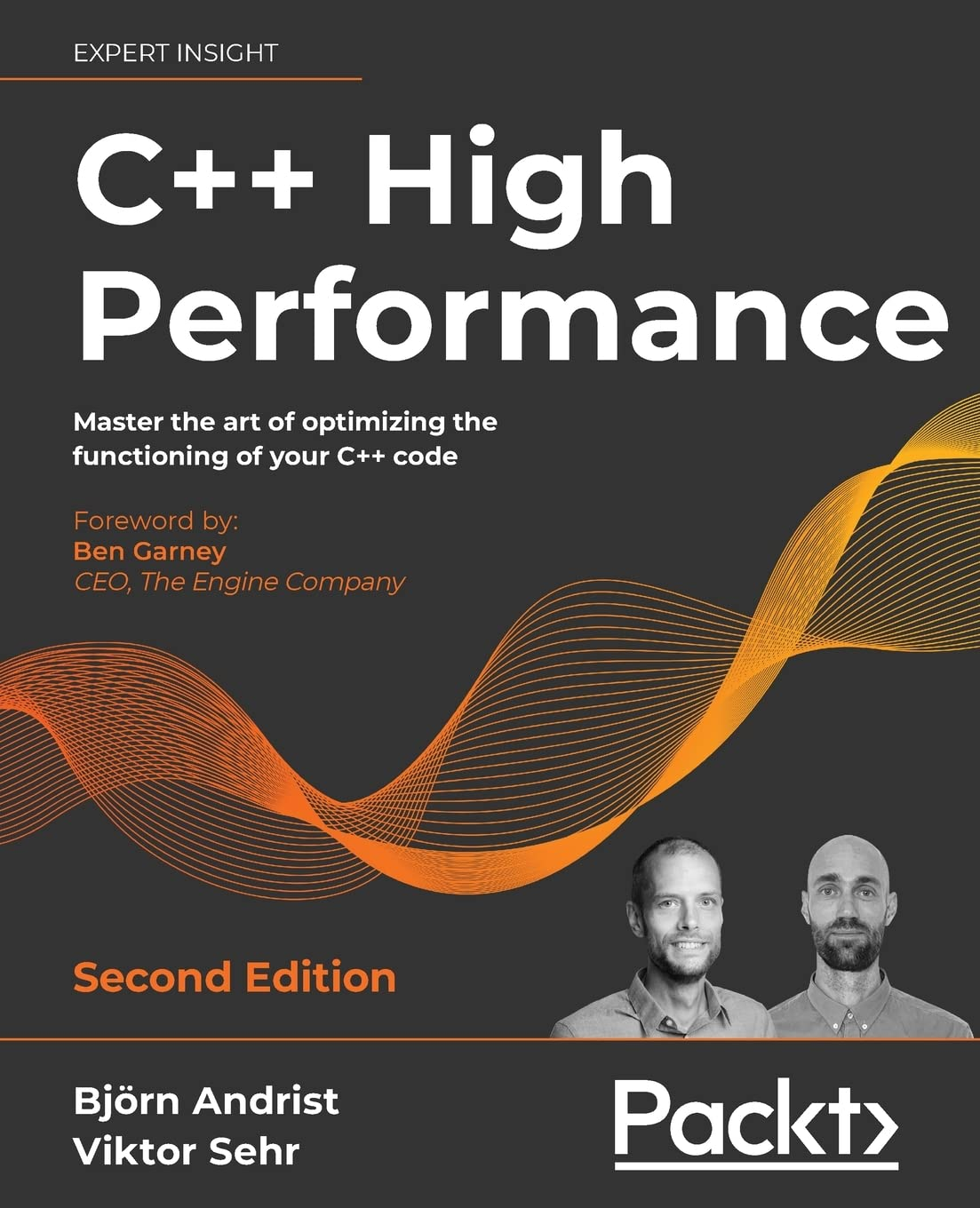
2. C++ High Performance (Second Edition)
by Björn Andrist and Viktor Sehr
Why This Book Stands Out
This book really shines when it comes to performance and usage patterns. It’s not just about making code fast – it’s about understanding why certain approaches are faster, and how to write high-performance code that’s still maintainable.
What impressed me most is that many chapters would be valuable even to non-C++ programmers. The discussions about cache locality, memory layout, algorithmic complexity, and modern CPU architecture are universal truths that apply across languages.
Key Strengths
- Performance Deep Dives: Covers memory allocators, data structure optimization, and efficient memory management
- C++20 Features: Shows how to leverage concepts, ranges, and coroutines for performance
- Practical Benchmarking: Teaches you how to measure performance correctly (hint:
std::chronois your friend) - Lock-Free Programming: Explores concurrent programming without traditional locks
- Real-World Patterns: Not just theory – actual patterns you’ll use in production code
The Chapter on Cache Locality
One of my favorite sections discusses cache-friendly code – showing how array-of-structs vs struct-of-arrays can make a 50x performance difference. This kind of insight is gold, and it directly influenced my Modern C++ presentation when discussing memory layout costs in managed languages.
Who It’s For
- C++ developers working on performance-critical systems
- Anyone curious about what makes code truly fast
- Developers interested in systems programming and low-level optimization
- Even non-C++ programmers interested in performance concepts (at least read chapters 2-5!)
Bottom Line: If you want to understand not just what to do but why it matters, this book is essential reading.
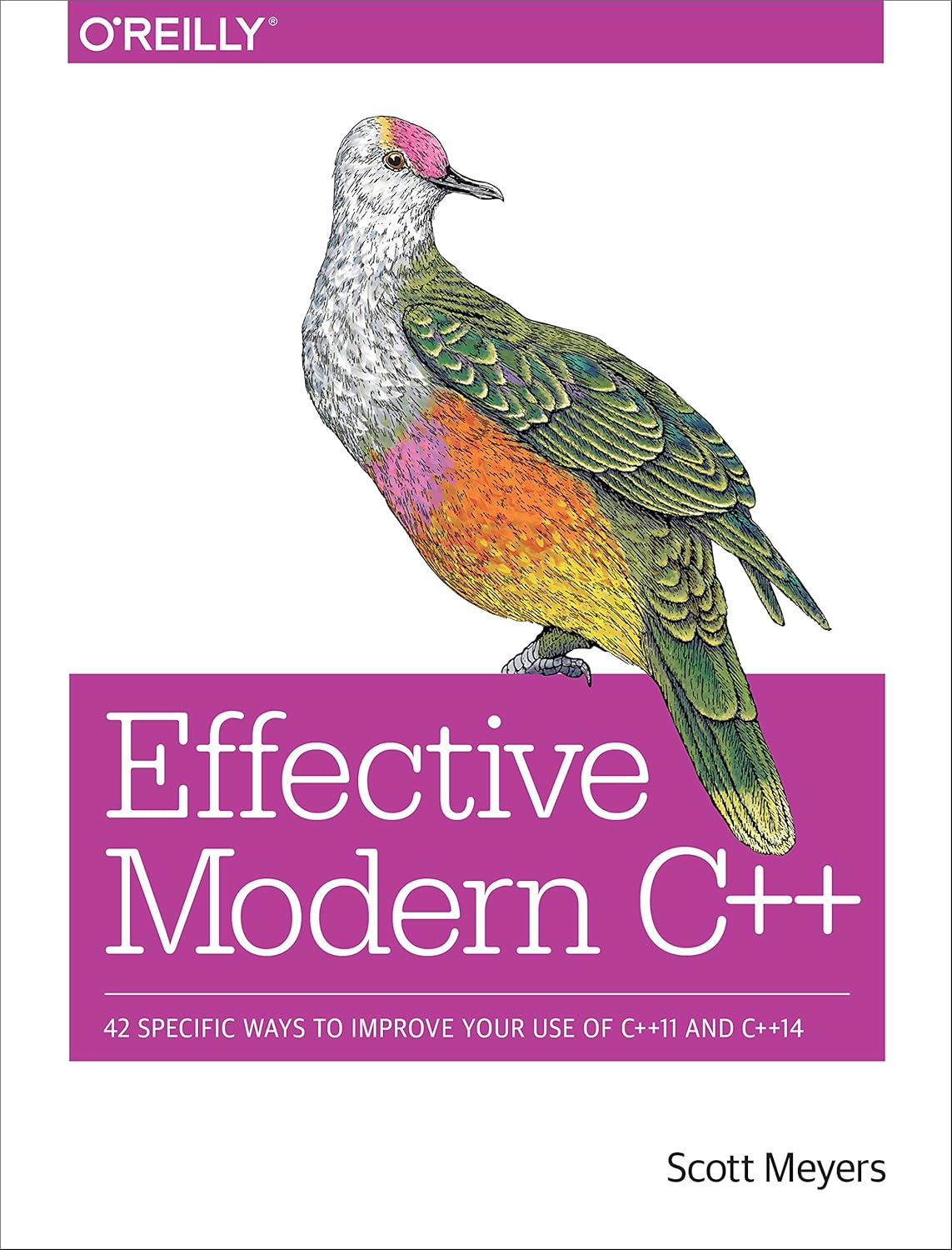
3. Effective Modern C++
by Scott Meyers: 42 Specific Ways to Improve Your Use of C++11 and C++14
A True Classic
Scott Meyers’ Effective Modern C++ is simply a classic. While it focuses on C++11 and C++14 (predating C++17/20/23), the patterns, idioms, and best practices it teaches remain absolutely relevant today.
Why It’s Essential
This isn’t a reference manual or a tutorial – it’s a collection of 42 battle-tested recommendations that help you write better C++ code. Each “Item” addresses a specific topic with crystal-clear explanations, examples, and reasoning.
Topics That Changed How I Code
- Smart Pointers: Items 18-22 completely changed how I think about memory management
- Move Semantics: Finally understanding
std::moveand perfect forwarding (Items 23-30) - Lambda Expressions: When to capture by value vs reference, and why it matters (Items 31-34)
- Type Deduction: The subtle differences between
auto,decltype, and template type deduction (Items 1-4) - The Concurrency API: Thread-safe initialization, futures, and promises (Items 35-40)
The “Why” Behind Best Practices
What makes Meyers’ writing special is that he doesn’t just tell you what to do – he explains why it’s the right approach, often showing you what happens when you don’t follow the advice. This builds intuition, not just knowledge.
Who It’s For
- Any C++ developer who wants to write idiomatic, modern code
- Developers transitioning from C++03 to modern C++
- Anyone preparing for C++ interviews or code reviews
- Experienced C++ programmers who want to sharpen their skills
Bottom Line: Every C++ developer should read this book. Period. Even if you’ve been writing C++ for years, you’ll learn something new.
How These Books Work Together
These three books complement each other beautifully:
- Start with Deitel: Get a solid foundation in C++20 syntax and features
- Deep dive with High Performance: Understand how to write fast, efficient code
- Refine with Meyers: Learn the patterns, idioms, and best practices that separate good code from great code
When I prepared my Modern C++ presentation, I drew heavily from all three:
- Deitel’s coverage of coroutines, ranges, and concepts
- High Performance’s insights into cache locality, memory layout, and zero-cost abstractions
- Meyers’ patterns for smart pointers and modern idioms
Final Thoughts
Coming from C# and Go, C++ felt intimidating at first – 40+ years of history, manual memory management, and a reputation for complexity. But modern C++ is different, and these books helped me see that.
They taught me not just how to write C++, but why certain approaches matter. As someone still learning, I find myself returning to these books regularly, discovering new insights each time.
If you’re coming from managed languages like I did, these books will help bridge that gap. They certainly made my journey much smoother.
Have you read any of these? What C++ books would you add to this list? Reach out and let me know!
Questions or book recommendations? Reach out:
- Email: pm@martavoi.by
- LinkedIn: dzmitrymartavoi
- Telegram: @dzmtm
Tags: #cpp #books