The Ringelmann effect explains something I keep seeing in enterprise software: adding people can make each person's contribution harder to see, and easier to withhold.
A Team Is Not an Owner
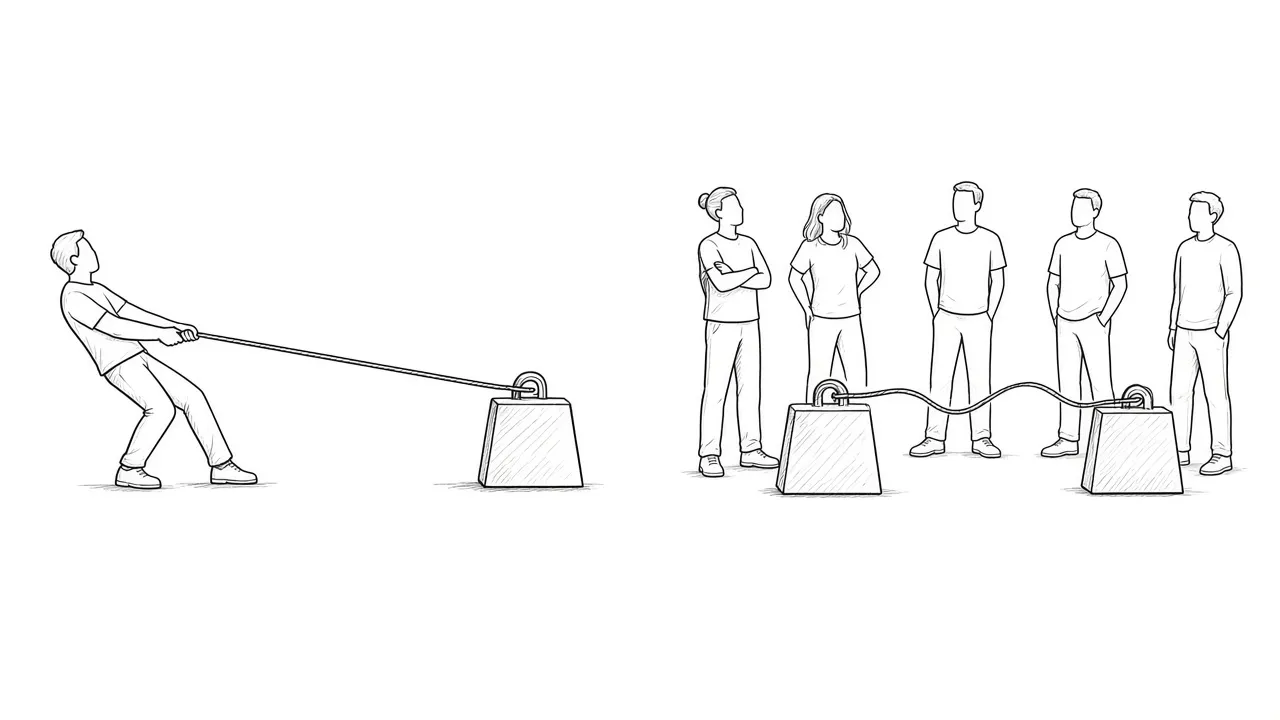
The Ringelmann effect explains something I keep seeing in enterprise software: adding people can make each person's contribution harder to see, and easier to withhold.
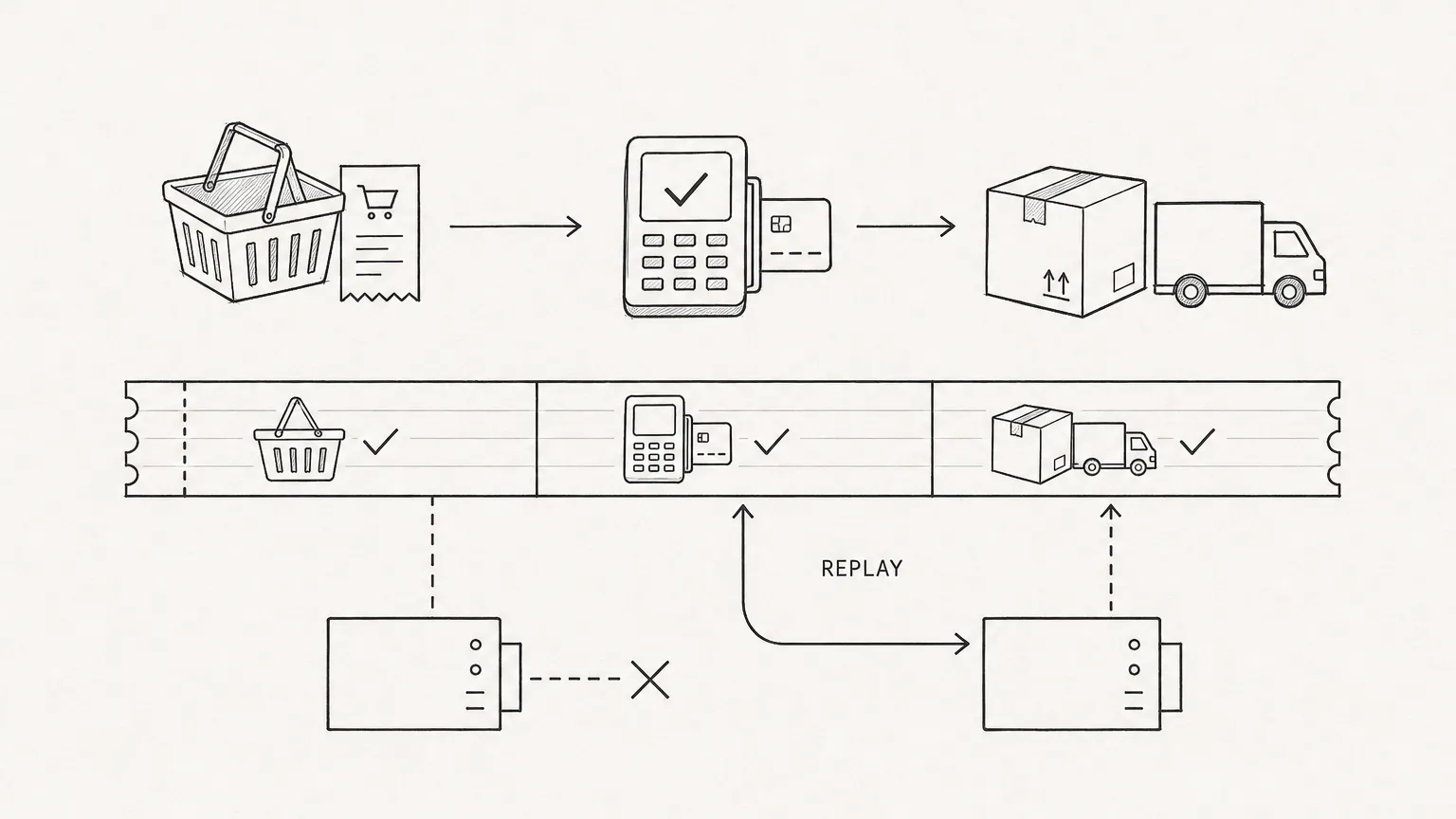
Temporal gives teams one model for durable workflows, recovery, and operations instead of another collection of retry loops, outboxes, and repair jobs.
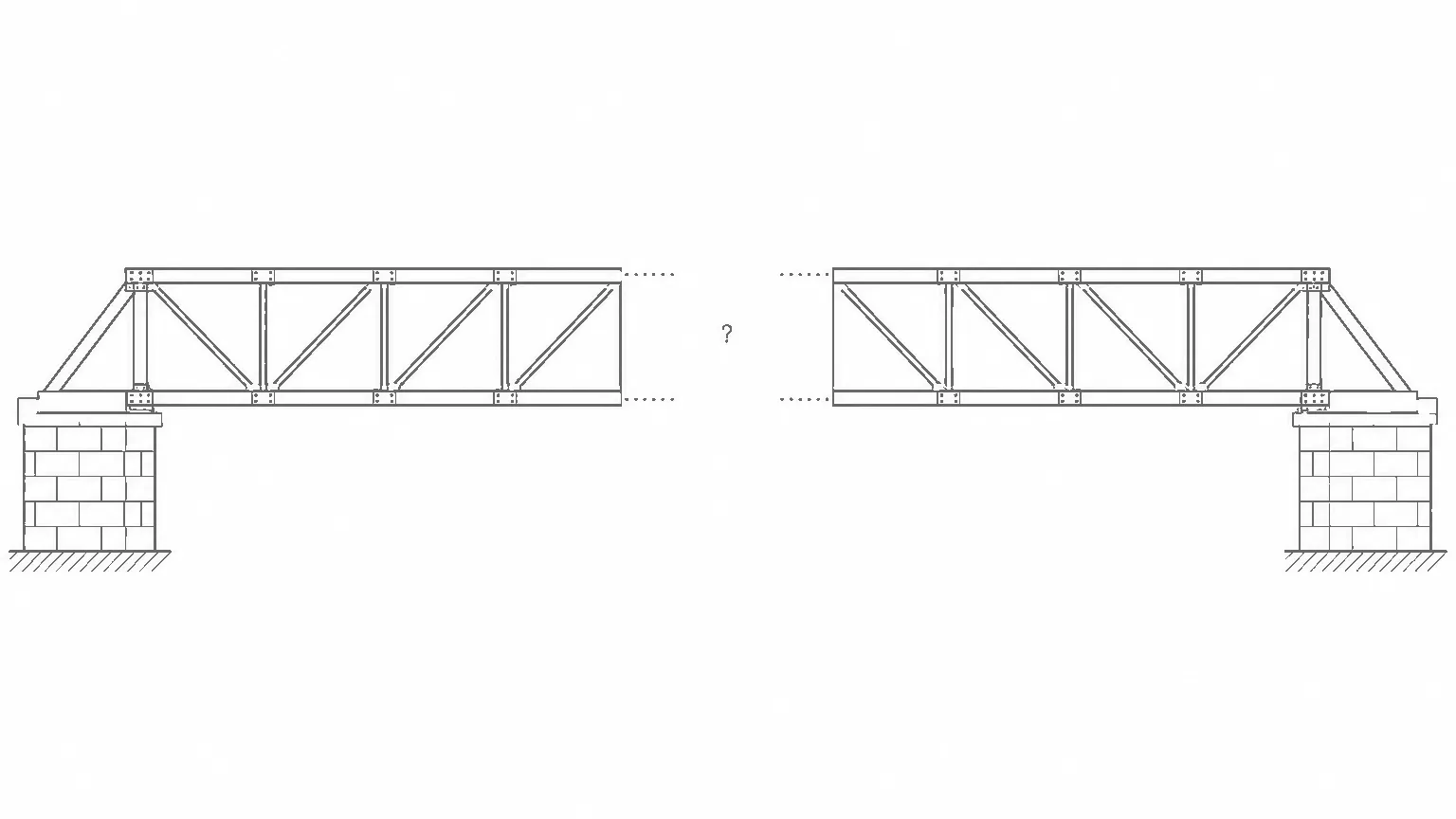
You can ship a change you could not walk through on a whiteboard. That gap has a name, and it shows up later, on a bridge, when you have to bring the context yourself.
I wanted a concrete number for whether AI tools were actually helping my work. Aggregate productivity metrics couldn't give me one. Here's the approach that finally did — and what it showed me.
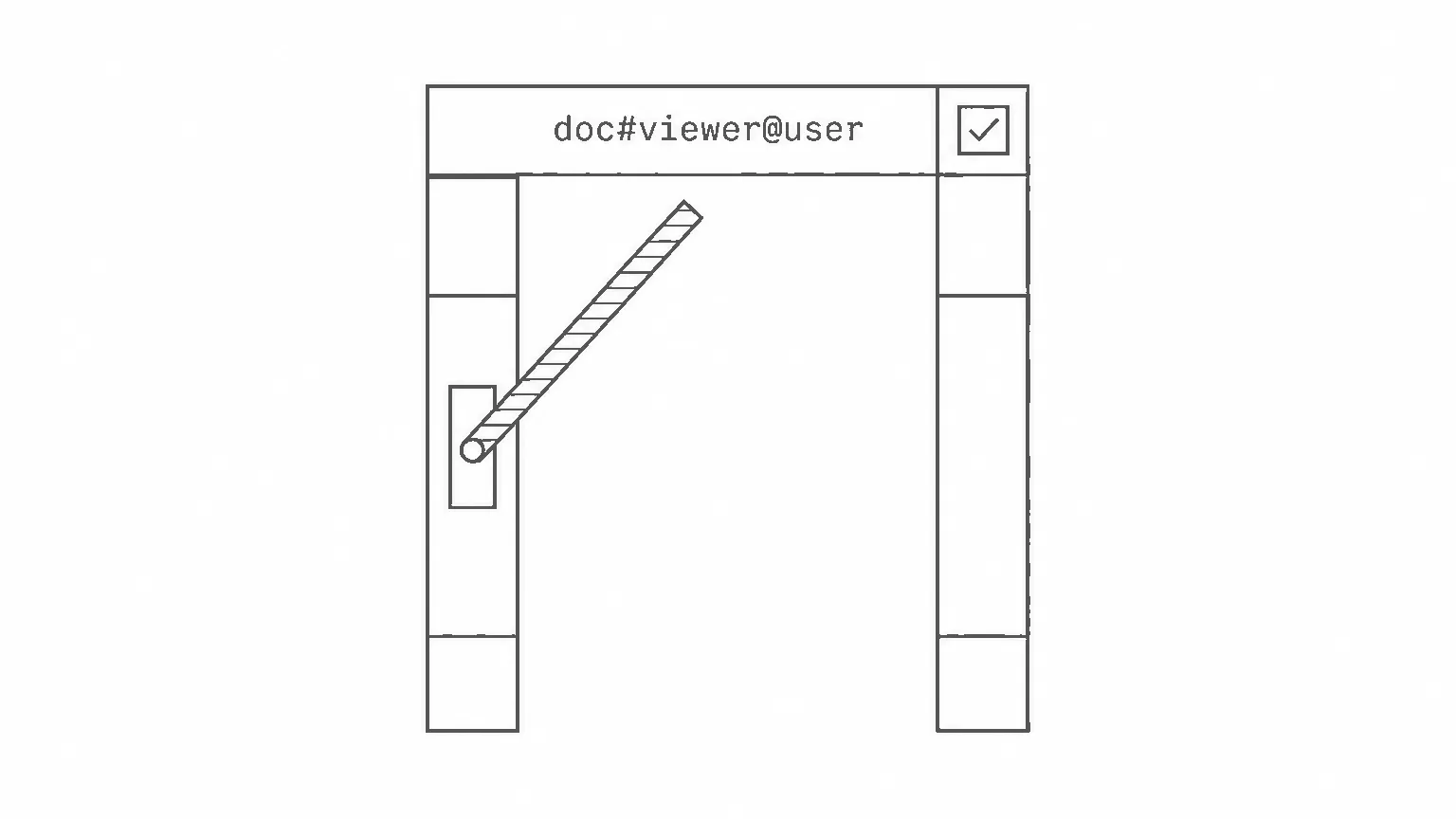
How to build production-grade, fine-grained authorization in 2026 using Ory Keto — the OSS implementation of Google's Zanzibar model.
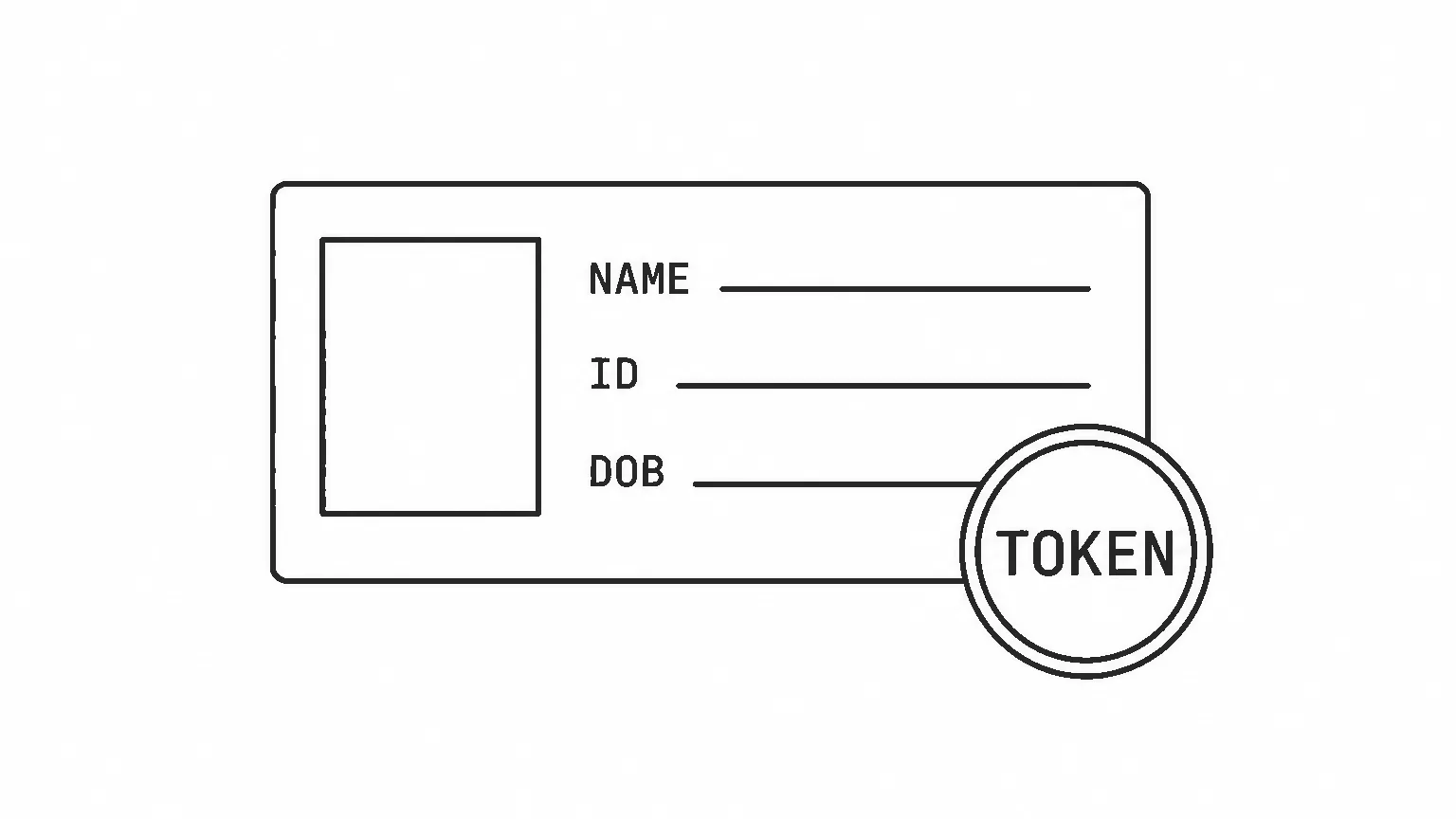
How to add OAuth2.1 authorization code + PKCE, OIDC id/access/refresh tokens, and modern security standards to an existing user base — without replacing it — using Ory Hydra.
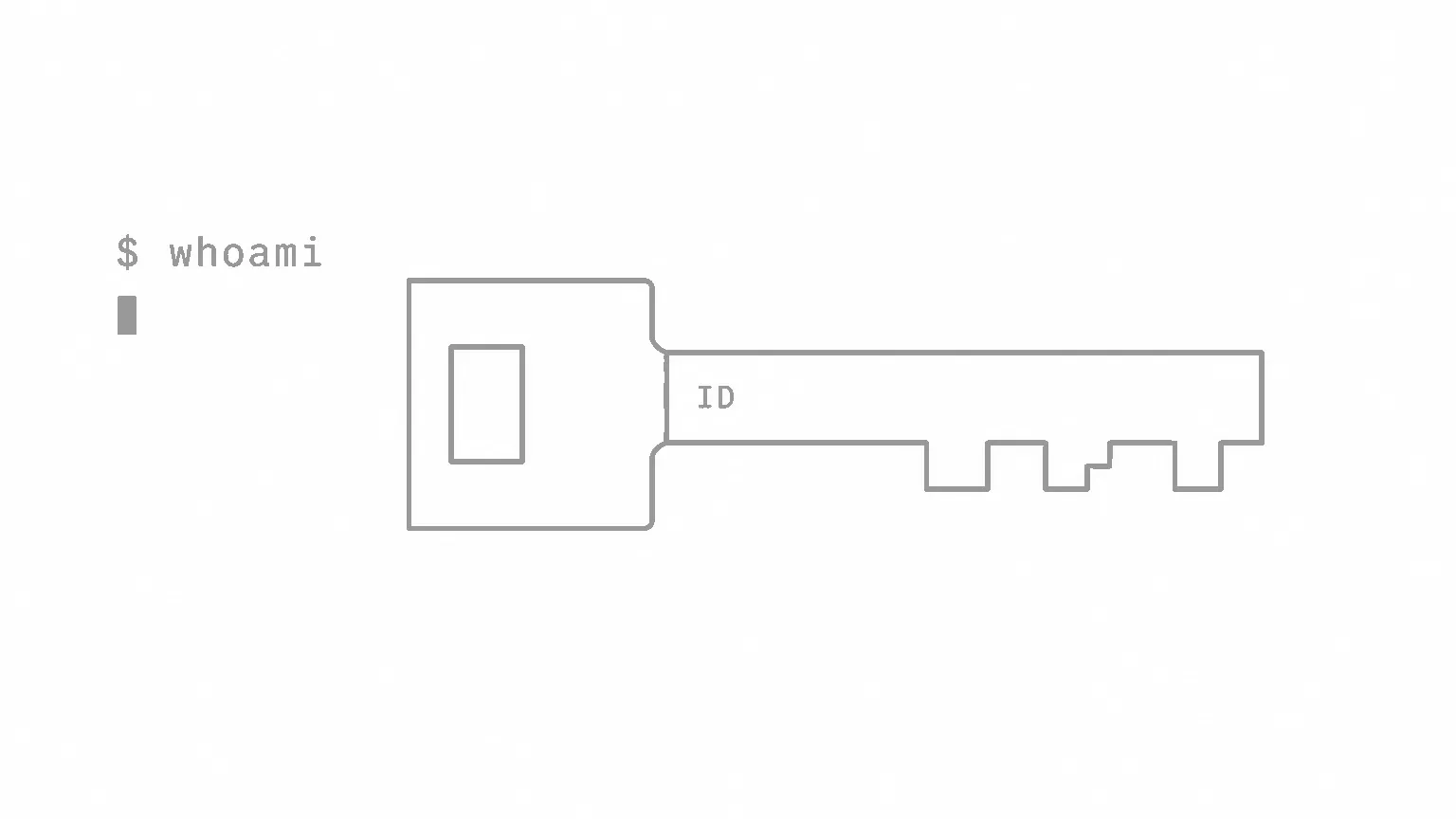
Why building custom auth is a mistake in 2026—and how Ory Kratos delivers flexible, schema-driven identity with pre/post hooks, phone/SMS, OIDC, MFA, and more
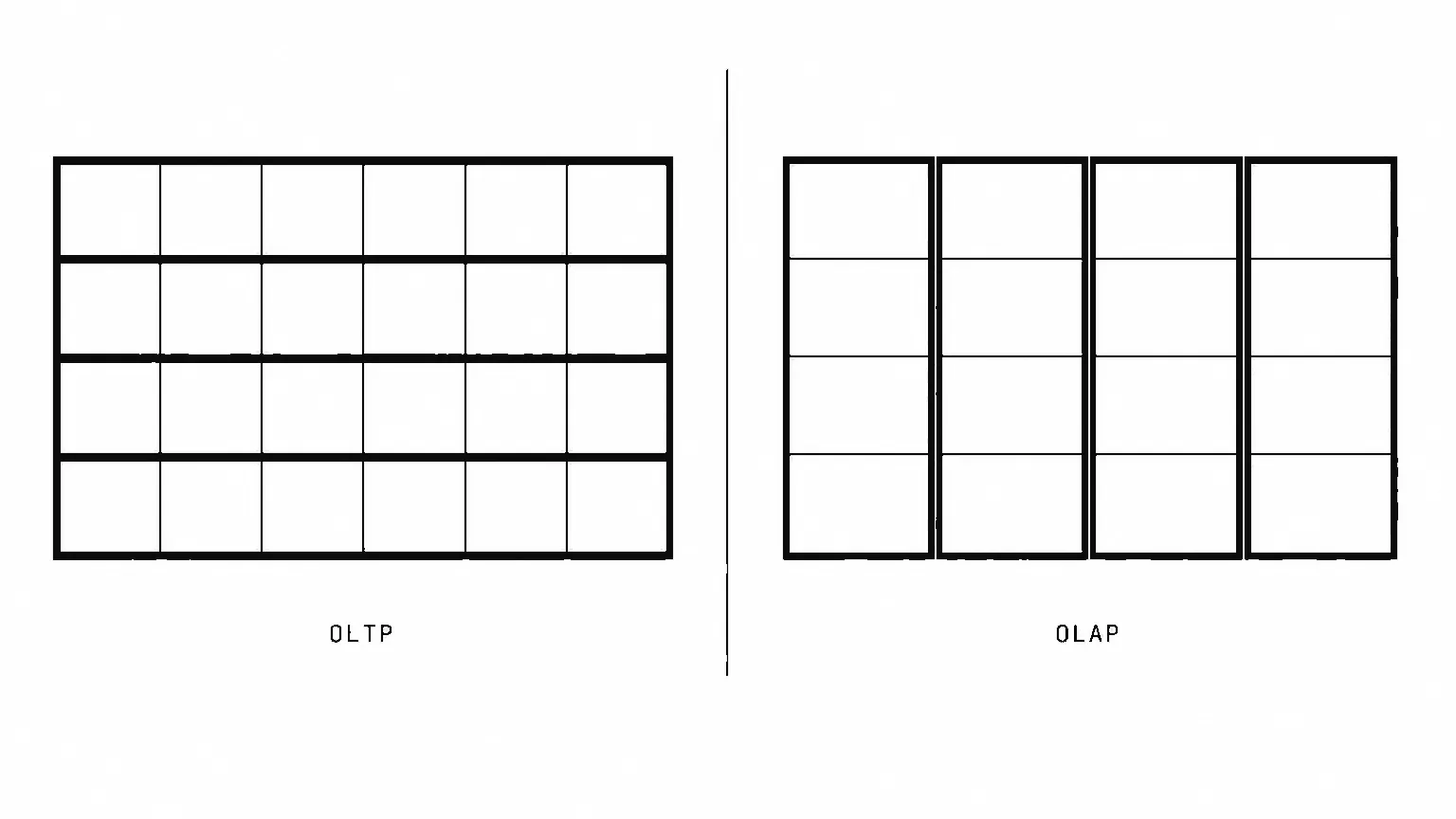
A developer-friendly guide to storage types: why row storage (OLTP) and columnar storage (OLAP) exist, and when HTAP makes sense

A simple Go daemon that solves Kafka's lack of native delayed message delivery - schedule messages for future delivery with just a topic name change
Three essential C++ books that helped me master modern C++, prepare technical presentations, and understand performance at a deep level
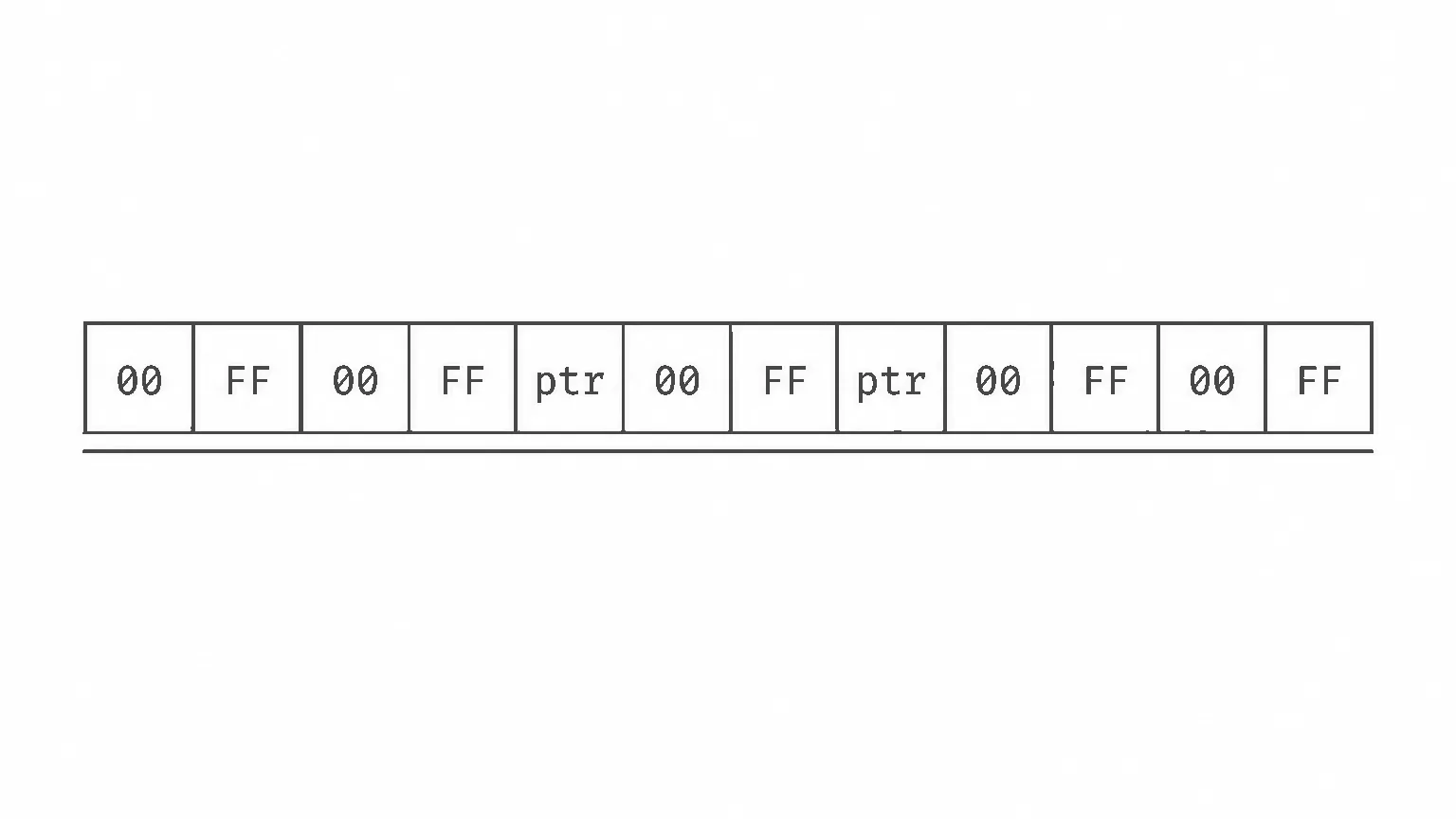
A deep dive into modern C++ features and why it's still relevant for high-performance backend development in 2025